
Anesthesia Options for Elective Plastic Surgery: Debunking Myths and Choosing What’s Best
June 26, 2026
Elective procedures like plastic surgery—from breast augmentation to facelifts and tummy tucks—often spark anxiety about anesthesia. Many patients fear “going under” with general anesthesia, worrying about risks, recovery, or losing control. Others hear marketing claims that local anesthesia or “awake” procedures are superior—safer, faster, and more precise. But what’s the truth? In this article, we’ll explore the types of anesthesia for plastic surgery, their safety profiles, and why general anesthesia remains the gold standard for many major elective surgeries, based on expert insights from board-certified plastic surgeons.
The Evolution of Anesthesia in Surgery
Anesthesia has come a long way since the first surgical use of ether in the 19th century—an outdated, risky method no longer in practice. Today, modern agents are highly effective, with advanced monitoring making procedures safer than ever. For elective plastic surgery, the focus is on comfort, pain control, and minimizing risks while achieving optimal results.
Patients’ top concerns before any procedure? Pain and scarring. Proper anesthesia addresses pain directly, allowing surgeons to work precisely without patient discomfort or movement.
The Three Main Types of Anesthesia in Plastic Surgery
Local Anesthesia
This numbs only the specific treatment area via injection or topical application. Patients stay fully awake and conscious but feel no sharp pain—though they might sense pressure or movement. It’s ideal for minor procedures like mole removal or small liposuction areas. For larger elective surgeries, pure local anesthesia is rare because it can limit the surgeon’s ability to achieve the best aesthetic outcome.
Sedation (Twilight or Monitored Anesthesia Care – MAC)
Often called the “in-between” option, this combines local anesthesia with IV or oral sedatives for relaxation. Patients are drowsy, may have limited memory, but can respond if needed. It’s common in some plastic surgery settings but carries risks: over-sedation can push into deeper levels where airway control becomes an issue, potentially dangerous without proper monitoring.
General Anesthesia
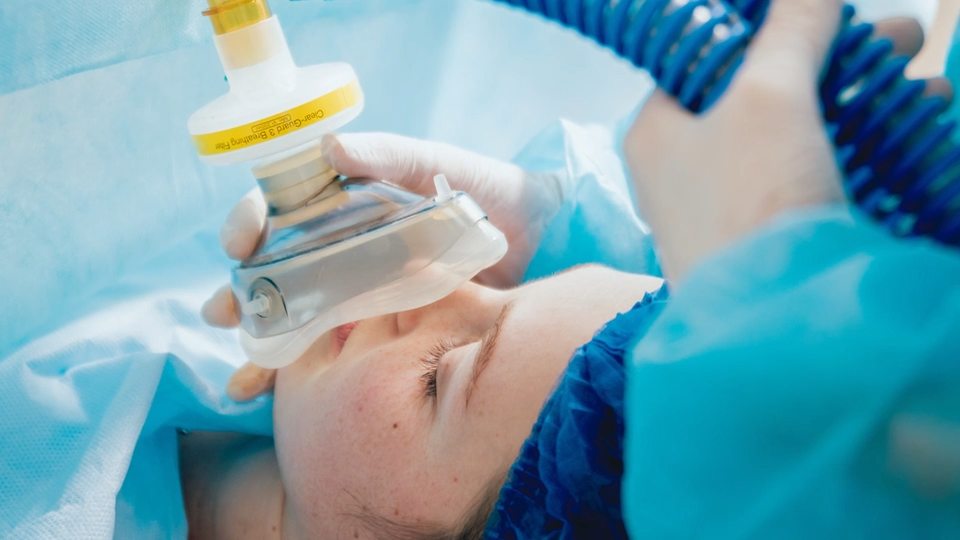
Patients are fully asleep, unaware, and pain-free. Breathing may be assisted, managed by a board-certified anesthesiologist or CRNA. Modern general anesthesia uses safe agents, with patients often breathing on their own for shorter procedures. It’s the go-to for major elective surgeries like breast augmentation, tummy tucks, or facelifts, ensuring complete comfort, muscle relaxation, and no movement.
Experts emphasize: General anesthesia is often the safest option for complex procedures because it’s controlled in accredited facilities with dedicated professionals monitoring vital signs.
The “Awake” Breast Augmentation Trend: Marketing vs. Reality
A hot topic in plastic surgery searches is “awake breast augmentation” or procedures under local anesthesia in-office. Proponents claim benefits like being able to “choose size” during surgery or avoiding general anesthesia risks. However, experts caution this is often driven by necessity rather than superiority.
Many providers offering “awake breast augmentation”—including some non-plastic surgeons like OBGYNs—lack privileges for general anesthesia in hospitals or accredited surgery centers due to training or credentialing limits. They market local anesthesia as “better” or “safer,” but evidence shows otherwise for optimal results.
In experienced hands, breast augmentation under general anesthesia (or light sedation plus local) delivers zero pain, no recollections, and precise pocket creation. Patients wake up comfortable, often saying, “Did we do it already?” Recovery is fast—many shop or dine the same day on a 24-hour protocol.
Awake options with heavy sedation risk inconsistent pain control or patient movement, potentially compromising outcomes or increasing stress in the OR. Over-sedation can mimic general anesthesia risks without its safeguards.
For major elective procedures, general anesthesia in an accredited center by a board-certified anesthesiologist prioritizes safety, comfort, and expertise.
Safety: General vs. Local/Sedation in Elective Plastic Surgery
A common myth: Local anesthesia is always safer because it avoids “putting you to sleep.” Reality? General anesthesia is extremely safe in modern settings, with low complication rates for healthy patients. It’s designed for major surgeries, providing full relaxation so surgeons perform at their best—reducing risks like uneven results from patient movement.
Sedation-heavy “awake” approaches can be risky if sedation deepens unexpectedly, leading to airway issues without an anesthesiologist’s full support. General anesthesia eliminates this gray area.
Compare it to everyday fears: Many were terrified of driving before experience. Similarly, understanding anesthesia reduces fear. General anesthesia feels like time travel—you’re out, then awake refreshed.
For elective plastic surgery, choose based on procedure complexity:
- Minor: Local or light sedation.
- Major: General anesthesia for superior safety and results..
Recovery and Patient Experience
Under general anesthesia, patients experience no intraoperative pain, quick wake-up, and rapid recovery in optimized protocols. No nausea for most, thanks to modern agents and anti-nausea meds. Local sedation might mean some awareness or discomfort if not perfectly balanced, clouding the experience.
Ultimately, the right anesthesia ensures you’re comfortable, pain-free, and safe—allowing your surgeon to focus on artistry.
Final Thoughts: Informed Choices for Elective Procedures
Don’t fall for marketing that pits local anesthesia against general anesthesia as inherently better. For most elective plastic surgery, general anesthesia in a proper facility offers the best balance of safety, comfort, and outcomes. Consult a board-certified plastic surgeon to discuss your options—they’ll tailor anesthesia to your health, procedure, and goals.
Knowledge dispels fear. The more you understand anesthesia for plastic surgery, the more confident you’ll feel moving forward.